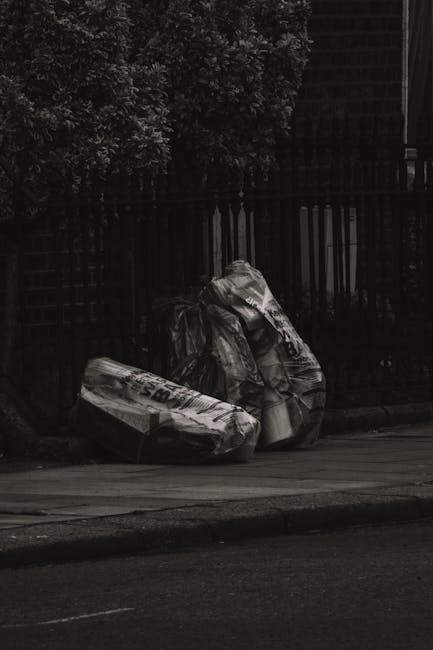
Coldharbour Lane bulky rubbish pickup tips: a practical guide for faster, safer clearances
If you are trying to clear bulky rubbish on or near Coldharbour Lane, the job can feel bigger than it looked at first glance. A sofa that seemed "fine for another year" suddenly blocks the hallway. A broken wardrobe sits in pieces. The weather turns damp, the pavement gets busy, and now you are juggling access, timing, and what can actually be collected. These Coldharbour Lane bulky rubbish pickup tips are here to make the process calmer, cleaner, and less expensive than a last-minute scramble.
The good news? Most bulky waste jobs become straightforward once you plan the route, separate the items, and choose the right collection method. Whether you are dealing with household furniture, end-of-tenancy clutter, trade waste, or a few awkward items that do not fit normal bins, a bit of preparation goes a long way. Let's get into the practical stuff.
Why Coldharbour Lane bulky rubbish pickup tips matters
Coldharbour Lane is not the sort of place where you can casually dump a mattress outside and hope it disappears by magic. It is a busy stretch with mixed residential, commercial, and rental properties, which means timing, access, and tidy presentation matter more than people expect. If you want bulky waste collected without hassle, you need a plan that respects narrow frontages, passing traffic, neighbours, and the reality of London waste rules.
Good bulky rubbish pickup tips save more than time. They help you avoid blocked access, failed collections, damaged paving, and the kind of chaos that starts with "we'll just leave it by the gate for a bit." Truth be told, that rarely ends well. A thoughtful approach also helps you choose between rubbish removal, a skip, or a wait-and-load arrangement, rather than paying for a service that does not fit the job.
For many people along Coldharbour Lane, the issue is not just volume. It is the shape of the waste. Bulky items are awkward, heavy, and sometimes oddly fragile. A broken chest of drawers can take up twice the space once it is knocked apart. A sofa can look innocent in the lounge and become a logistical menace on the pavement. That is why the smartest tip is usually the simplest one: decide your disposal method before you start moving things around.
How Coldharbour Lane bulky rubbish pickup tips works
At a practical level, bulky rubbish pickup is about moving large household or commercial items from your property to a legal disposal route. The actual method depends on what you have, how much of it there is, and how quickly it needs to go. In most cases, there are three common approaches: a dedicated rubbish collection, skip hire, or a load-and-go style service such as wait and load.
If the items are already outside and easy to access, a collection can be very efficient. If the waste is spread across several rooms, a larger clear-out might suit a domestic skip hire arrangement or a broader house clearance. If there is no safe space for a skip, or you only have a short loading window, then wait and load skip hire can be a better fit. Simple enough, but the wrong choice can turn a tidy job into a slow one.
On a street like Coldharbour Lane, access often decides everything. Can a vehicle stop safely? Is there room to carry items from the building to the collection point? Are there stairs, a basement, or a shared entrance? Do neighbours need notice? These questions matter because bulky waste is not only about disposal; it is about movement, safety, and timing. One bad lift or rushed carry, and suddenly you are dealing with chipped paint or a sore back. Nobody wants that on a wet Tuesday morning.
A useful way to think about it is this: pickup is the last step, not the first. Sorting, separating, measuring, and checking restrictions come before collection day. If you want a smooth result, that groundwork is where the win is.
Key benefits and practical advantages
The main benefit of following sensible bulky rubbish pickup tips is control. You know what is going, where it is going, and how much effort it will take. That makes the whole process less stressful and usually more cost-effective too.
- Less wasted time: You avoid loading items that need to come back out again because they were not accepted.
- Cleaner access: Staging items properly keeps hallways, pavements, and entrances easier to manage.
- Lower risk of damage: Careful handling protects walls, doors, lifts, and communal spaces.
- Better value: Matching the method to the waste volume helps avoid paying for too much capacity.
- Improved recycling outcomes: Items sorted in advance are easier to direct into the right waste stream through recycling and sustainability practices.
There is also a peace-of-mind benefit that people often overlook. Once the bulky rubbish is scheduled, the mental clutter drops too. The room looks bigger, the air feels lighter, and that nagging "we must deal with this" feeling finally eases off. Small thing? Maybe. But you notice it.
For landlords, managing agents, shop owners, and builders, the benefit is even more obvious. Clear the bulky items properly and you reduce complaints, improve turnaround times, and avoid awkward conversations about leftover waste. For offices, it keeps furniture refreshes and office clearance jobs orderly, which is a blessing when you are trying to keep normal business going.
Who this is for and when it makes sense
This guide is for anyone who needs bulky waste removed without guesswork. That includes homeowners, tenants, landlords, letting agents, local businesses, tradespeople, and anyone halfway through a clear-out who has realised the pile is now taller than expected. Happens all the time.
It makes sense to use these tips when you have items such as:
- sofas, armchairs, and footstools
- mattresses and bed frames
- wardrobes, tables, shelves, and cupboards
- broken appliances or white goods
- garage or loft clutter
- shop fittings and office furniture
- renovation offcuts and heavier mixed waste
If your bulky rubbish includes electrical items, refrigeration units, confidential papers, or anything that may be restricted, then it is worth checking dedicated services first. For example, fridges and freezers often need specific handling, and paper-heavy clear-outs may benefit from confidential shredding. That is the kind of detail that saves a headache later.
It may not make sense to arrange a bulky pickup if the items are extremely heavy, difficult to reach, or part of a larger site clear-out. In those cases, services like grab hire services or site clearance may be more efficient. Ask yourself: is this a few awkward items, or a genuine project? The answer usually points you in the right direction.
Step-by-step guidance
Here is the simplest way to handle a bulky rubbish pickup on or near Coldharbour Lane without overcomplicating it.
- List everything you want removed. Walk through the property and write it down. Do not rely on memory; the fifth item is always the one you forget.
- Separate what can stay, what can be reused, and what must go. A quick sort now avoids mixed loads and awkward surprises on collection day.
- Check for restricted items. Hazardous materials, fridges, tyres, and certain electrical items may need special handling through hazardous waste disposal or another suitable route.
- Measure the bulky pieces. Doorways, stairwells, lift access, and vehicle stopping points matter. Measure twice, lift once. Well, ideally.
- Choose the right service. Small domestic jobs may suit man and van collection, while larger household clear-outs may suit a skip or wait-and-load setup.
- Prepare the items. Remove loose contents, bag small debris, and flatten what you can safely flatten.
- Stage the waste neatly. Keep everything in one accessible place. If possible, place items close to the exit but not in a way that blocks residents or customers.
- Confirm timing and access. Make sure someone can answer the door or meet the crew if needed. A missed collection is annoying for everyone.
- Ask about disposal details. If you care about recycling, ask how mixed materials are handled and whether reusable items are separated where appropriate.
- Keep proof or notes. For landlords or business owners, a simple record of the pickup helps with internal admin and tenant handovers.
If your project is more of a quick in-and-out job than a full clear-out, same day skip hire can sometimes be the easiest route. If you do have a driveway or legal placement space, a skip is often the most straightforward option, and you can compare sizes using skip sizes and prices. That comparison step alone stops a lot of overspending.
Expert tips for better results
Here are the small adjustments that tend to make the biggest difference.
- Break down furniture where it is safe to do so. A flat-packed wardrobe takes less room and is easier to carry than a complete one.
- Keep soft items dry. Mattresses and sofas soak up moisture fast, and wet fabric turns a neat clearance into a miserable one.
- Group by material type. Wood, metal, electrical items, and general household waste are easier to sort when they are already separated.
- Leave a clear path. A tidy route reduces trip hazards and speeds up loading.
- Think about neighbours. In shared buildings, a short heads-up can prevent grumbles about noise or hallway congestion.
- Use lockable solutions if needed. If waste is being stored before collection, an enclosed and lockable skip hire option may be worth considering.
One practical tip from real life: if you are clearing a flat on a busy road, start with the easiest items first. It builds momentum. By the time you reach the awkward cupboard or the frame that "definitely comes apart," you have already cleared space and got into a rhythm. Sounds minor, but it helps.
And yes, wear proper gloves. It is not glamorous, but neither is catching a splinter from a damp chair leg. Let's not pretend otherwise.
Common mistakes to avoid
Most bulky pickup problems come from a handful of very fixable mistakes.
- Leaving sorting until the last minute. Mixed waste slows everything down and increases the chance of rejection.
- Ignoring access limits. A collection vehicle may not be able to stop where you think it can.
- Putting restricted items into a general load. That can create compliance issues and extra charges.
- Underestimating volume. People often think "two chairs and a mattress" until the hallway tells a different story.
- Blocking shared spaces. This is one of the quickest ways to upset neighbours or building managers.
- Forgetting about permits or placement rules. If a skip will sit on the public highway, check the relevant skip permits information first.
A quieter mistake, but a costly one, is assuming all bulky waste is treated the same. It is not. A dry sofa, a fridge, builder's rubble, and a pile of office desks all take different handling decisions. If you are unsure, ask before collection. That single question can save a wasted visit.
Tools, resources and recommendations
You do not need a huge toolkit to manage bulky rubbish well, but a few basics make the job easier and safer.
- Work gloves: useful for splinters, sharp edges, and dusty surfaces.
- Measuring tape: essential for checking access and item size.
- Marker pens and labels: helpful when separating keep, donate, recycle, and remove piles.
- Strong refuse sacks: ideal for loose contents, cushions, screws, and small debris.
- Trolley or sack barrow: good for heavier items where access allows.
- Protective floor coverings: useful in hallways and entrance routes.
As for service choice, the best route depends on the waste type and access. A quick single-item pickup may suit mattress and sofa disposal or a straightforward collection. A mixed household load may be better handled through skip hire or skip hire permits guidance if parking space is limited. If you are clearing garages, lofts, or storage areas, the page on garage and loft clearance may also be useful.
For businesses, especially those near the busier parts of Coldharbour Lane, commercial clear-outs can be better planned in advance using commercial skip hire. The aim is not to overengineer it. The aim is to choose the method that gets the job done without a second round of phone calls.
Law, compliance, standards, or best practice
Bulky rubbish pickup is not just a practical job; it also comes with responsibility. In the UK, waste must be handled through lawful disposal routes, and householders, landlords, and businesses all have a duty to avoid fly-tipping or using anyone who cannot account for the waste properly. You do not need to become a waste-law expert, but you do need to be sensible about who handles your rubbish.
Best practice usually means three things: use a reputable collection route, keep restricted items separate, and make sure the waste ends up where it should. For commercial clients, keeping records of disposal is especially sensible. For domestic customers, it is worth knowing exactly what is going out and whether any electrical or specialist items need separate treatment.
Health and safety matters too. Heavy lifting should be done carefully, especially on stairs, in tight hallways, or around uneven paving. If an item is too heavy for one person, it is too heavy. No heroic nonsense. If there is damp, mould, broken glass, or sharp scrap, take extra care and consider a professional collection.
In practice, the safest approach is to use clear communication and the right service mix. If you are comparing options, the company's health and safety policy, insurance and safety, and payment and security pages can give helpful reassurance about how a service is run. That kind of transparency matters when you are letting someone onto your property or into a shared building.
Options, methods, or comparison table
Different bulky waste jobs call for different methods. Here is a plain-English comparison to help you decide.
| Method | Best for | Advantages | Watch-outs |
|---|---|---|---|
| Rubbish removal | Single bulky items or smaller mixed loads | Fast, tidy, minimal planning | May be less suitable for larger clear-outs |
| Skip hire | Ongoing clear-outs, renovations, larger volumes | Flexible loading, useful over several days | Needs space and possibly permits |
| Wait and load | Sites with no parking for a skip | No long-term skip placement, efficient if pre-sorted | Needs the waste ready when the vehicle arrives |
| Man and van | Light-to-medium household or office loads | Good for access challenges and quick collections | Not ideal for very heavy or very large volumes |
| Grab hire | Bulkier mixed waste, loose materials, awkward clearances | Good reach and fast removal | Needs suitable loading space and access |
If you are leaning toward a collection rather than a skip, consider whether the items are already stacked and ready. If not, a skip may actually be easier. If the waste is bulky but the site is tight, wait and load skip hire can remove the parking issue entirely. That is often the sweet spot on busy London streets.
Case study or real-world example
A typical Coldharbour Lane scenario goes something like this. A tenant moves out on a Friday afternoon, leaving behind a sofa, a dismantled bed frame, a broken desk, and a pile of mixed bags from a loft cupboard. The hallway is narrow, the front access is shared, and everyone wants the place cleared before the new occupants arrive on Monday. Not glamorous. Very real.
The smartest move is not to start hauling everything at once. First, separate the sofa and mattress from the loose rubbish. Then check whether the building allows temporary staging in the entrance area, or whether the waste needs to stay inside until collection. If the items can be moved quickly and access is tight, a same-day or wait-and-load style service may be the best fit. If there is more waste than expected, a small skip or a combined clearance could be better.
In this kind of job, the difference between a messy day and a clean one is usually preparation. The people who label items, clear a path, and confirm timings tend to finish with less stress and fewer back-and-forth calls. The people who don't? They end up standing in the doorway asking where the missing screws went. Happens more than you'd think.
The point is not perfection. The point is momentum. Once the first bulky item leaves, the rest feels manageable.
Practical checklist
Use this checklist before collection day.
- Make a full list of bulky items
- Separate reusable, recyclable, and waste-only pieces
- Check for restricted or hazardous items
- Measure doorways, stairwells, and access points
- Choose the right disposal method
- Confirm timings and site access
- Clear a safe route from the property to the loading point
- Protect floors and walls if items are being carried through the building
- Keep heavier items accessible and ready to move
- Ask about recycling and disposal handling
- Keep any needed paperwork or internal notes
Expert summary: The best bulky rubbish pickups on Coldharbour Lane are the ones planned around access, item type, and timing. Get those three right and the rest is usually straightforward.
If you are comparing service options or want help matching the waste to the right solution, start with the service pages that fit your situation and then move to the booking process through book online or the pricing and quotes page. A quick check now is easier than a rushed decision later.
Conclusion
Coldharbour Lane bulky rubbish pickup tips are really about making a difficult job feel ordinary. That is the goal. Not dramatic, not fancy, just well handled. When you sort your items early, pick the right method, and keep access in mind, bulky waste stops being a headache and becomes a task you can actually tick off with confidence.
Whether you are clearing a single sofa, a loft full of clutter, or a mixed load from a home, office, or renovation, the same rule applies: prepare first, collect second. A little structure goes a long way, and honestly, your future self will thank you for it. There is something deeply satisfying about seeing a clear room and knowing it was done properly.
Get a free quote today and see how much you can save.
And if you are still deciding between a skip, a collection, or a broader clearance, start small, ask the right questions, and choose the route that fits the space you actually have. That is usually the calmest way through it.
Frequently Asked Questions
What counts as bulky rubbish on Coldharbour Lane?
Bulky rubbish usually means items too large for normal bin collection, such as sofas, mattresses, wardrobes, desks, broken appliances, and other awkward household or commercial waste. If it needs two people to move it, it probably counts.
Should I use skip hire or rubbish removal for bulky items?
Use rubbish removal for smaller or quicker clearances, and skip hire for larger jobs or when you need time to load items over several days. The right choice depends on access, volume, and whether you can place a skip legally.
Can I put a sofa or mattress in a skip?
Often yes, but it depends on the waste policy for the service you choose and on how the item is prepared. It is sensible to check the acceptable waste guidance first, especially for mattresses, soft furnishings, and mixed loads.
What should I do with broken appliances?
Broken appliances may need separate handling, especially if they are electrical or cooling units. It is best to check whether a dedicated appliance removal route is more suitable than general bulky waste collection.
Do I need a permit for a skip near Coldharbour Lane?
If the skip needs to be placed on a public road or pavement, a permit may be required. If it sits fully on private land, the rules may be different. Always confirm placement before booking.
How do I avoid paying for more capacity than I need?
Measure the items, list them clearly, and compare the likely volume with the available service options. A quick review of skip sizes and prices or a smaller collection option can save money without cutting corners.
What if I only have a short window to clear the waste?
Short windows are often best handled with a wait-and-load service or a fast collection option. The key is to have everything sorted and ready before the vehicle arrives. That part matters a lot.
Can bulky rubbish be collected from a flat or upper floor?
Yes, but access needs to be checked carefully. Tight stairwells, shared entrances, lifts, and building rules can affect how the waste is removed and which method is most practical.
What items are usually not suitable for a standard bulky pickup?
Items such as hazardous waste, some chemicals, and certain specialist materials usually need separate arrangements. If you are unsure, keep them out of the main pile and ask for advice before collection.
How can I make collection day go more smoothly?
Sort the items early, clear the access route, protect floors, and make sure someone can answer questions if needed. A tidy, ready-to-go setup is the easiest win here.
Is it better to clear bulky waste all at once or in stages?
If the waste is spread across several rooms or includes different item types, staging can help. If everything is already grouped and ready, one collection is often more efficient. It depends on your layout and timing.
What should landlords or agents keep in mind?
They should document what is being removed, check access arrangements, and choose a disposal route that fits the amount and type of waste. For void properties and turnaround work, planning saves both time and awkwardness.
How do I know if a bulky pickup service is trustworthy?
Look for clear service information, transparent pricing, safety and insurance details, and sensible guidance on waste handling. If a provider explains the process plainly, that is usually a good sign.