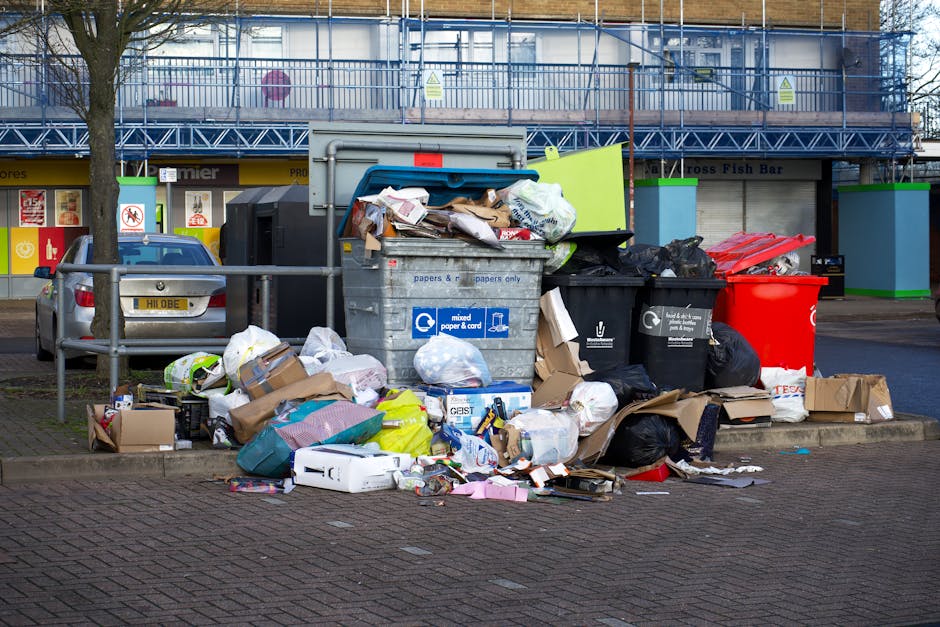
Brixton Market rubbish removal guide for traders
If you trade at Brixton Market, waste is not a side issue. It builds up fast: cardboard from deliveries, food packaging, broken display materials, the odd damaged crate, and the daily sweep-up that has to happen before the next rush of customers. A solid Brixton Market rubbish removal guide for traders helps you stay tidy, stay compliant, and avoid the awkward moments that happen when rubbish starts creeping into the trading space. To be fair, it only takes one messy morning for a stall to feel harder to run.
This guide walks through how market waste removal works in real life, what traders should plan for, which removal methods suit different stall types, and how to avoid the usual headaches. If you need a broader overview of waste handling options, you may also find the site's rubbish removal service, commercial skip hire, and waste recycling services pages useful while comparing options.
Table of Contents
- Why Brixton Market rubbish removal guide for traders matters
- How Brixton Market rubbish removal guide for traders works
- Key benefits and practical advantages
- Who this is for and when it makes sense
- Step-by-step guidance
- Expert tips for better results
- Common mistakes to avoid
- Tools, resources and recommendations
- Law, compliance, standards, or best practice
- Options, methods, or comparison table
- Case study or real-world example
- Practical checklist
- Conclusion
- Frequently Asked Questions
Why Brixton Market rubbish removal guide for traders Matters
Markets are busy, tight on space, and always moving. Brixton Market traders know the rhythm: boxes arrive, goods are unpacked, packaging piles up, then the pitch needs resetting before the next customer wave. That creates a very particular waste problem. You are not dealing with one big clear-out at the end of the month; you are dealing with constant small waste streams that need managing all day.
Why does that matter? Because waste affects more than appearance. It can block access, attract pests, create slip hazards, and make a stall look less professional. In a market setting, a pile of flattened cardboard or a few overfilled sacks can become a problem almost instantly. If you have ever tried to move stock around a box that should have left two hours earlier, you already know the feeling.
Good rubbish removal also helps protect trade time. The less time staff spend hunting for somewhere to dump waste, the more time they spend serving customers, restocking, and keeping the stall looking sharp. And because many traders work with narrow margins, small inefficiencies matter more than people think. One badly planned collection can throw off the whole day.
There is also the reputation side. Brixton shoppers notice when a stall is well kept. They notice clean aisles, clear pathways, and tidy backs-of-house areas too. A neat market stall quietly tells people: this trader is organised, serious, and ready for business.
How Brixton Market rubbish removal guide for traders Works
In practice, market rubbish removal usually falls into a few simple stages. First, you identify the kinds of waste your stall creates. Then you decide where it will be stored, how often it needs clearing, and whether you need a collection service, a container, a skip, or a lighter-touch option like a wait-and-load arrangement.
For traders with limited space, the exact method matters. A full-size skip is not always the right answer if you cannot safely site it nearby. That is where a more flexible approach can help. For example, wait and load skip hire can be a useful option where you need fast loading without leaving a container in place. Likewise, same day skip hire can help when waste has built up after an unexpectedly busy trading spell. Not every day goes to plan, let's face it.
Collection methods usually depend on access. If the stall sits close to a loading point, simple loading and removal may be enough. If access is tight or the waste is bulky, a vehicle-based collection service can be easier. If you are clearing mixed waste from several units or storage corners, then a broader service such as man and van may suit the job better than trying to shoehorn everything into one container.
The second part of the process is sorting. Traders who separate cardboard, food waste, general waste, and specialist items usually have fewer problems. Mixed waste is more awkward, more expensive to handle in many cases, and more likely to slow the collection down. A simple sort at source can save a lot of faff later.
Finally, there is disposal and recycling. A well-run waste plan should not just move rubbish from one place to another. It should channel recyclable materials away from general waste where possible, and keep anything hazardous or restricted completely separate. That is one reason the site's recycling and sustainability information is worth reviewing if you want a cleaner, more responsible waste routine.
Key Benefits and Practical Advantages
The first benefit is obvious: a cleaner trading environment. But the real advantages go deeper than that.
- Faster turnarounds between busy periods. When waste has a defined route out of the stall, staff reset more quickly.
- Better presentation. Customers see a tidy stall, not a jumble of discarded boxes and bags.
- Improved access and safety. Clear floors and walkways reduce trip risks and blockages.
- Less manual handling stress. You avoid repeatedly shifting heavy sacks from corner to corner.
- More predictable operations. A routine collection plan is easier to manage than ad hoc emergency clear-outs.
There is also a subtle but important commercial benefit: waste planning frees headspace. Traders are juggling sales, stock, delivery timings, weather, customer flow, and the occasional surprise from a supplier who arrives earlier than promised. Good rubbish removal removes one of those background headaches. You do not notice it every minute. But you notice it when it is missing.
If you trade in food, drinks, or anything with packaging-heavy deliveries, this matters even more. Cardboard arrives in waves, plastic wrap clings to everything, and bins fill fast on peak days. A tidy waste routine can make the difference between a calm close-down and that slightly frantic end-of-day shuffle where everyone is carrying one more box than they should.
Who This Is For and When It Makes Sense
This guide is for traders who work in or around Brixton Market and need a practical way to deal with rubbish from daily trading. That includes food traders, clothing stalls, craft sellers, pop-up operators, and anyone managing stock, packaging, and display waste in a busy market environment.
It also makes sense if you are opening a new stall and want to think about waste before the first delivery arrives. New traders often focus on stock, branding, and footfall. Fair enough. But waste planning is one of those unglamorous things that saves time almost immediately.
You may also need this approach if:
- your waste is building up faster than your current bins can handle;
- you are storing rubbish behind the stall because there is nowhere else to put it;
- you need a one-off clear-out after a refit, stock change, or event;
- you share back-of-house areas with other traders and want a cleaner system;
- you need to clear bulky items such as shelving, packaging pallets, or damaged display materials.
For one-off larger jobs, traders sometimes compare rubbish removal with skip hire and grab lorry hire. Each has a place. The best choice depends on access, volume, and how quickly the waste needs to disappear.
Step-by-Step Guidance
Here is a practical, no-nonsense way to set up market rubbish removal without overcomplicating it.
- List the waste you actually produce. Write down everything for a typical trading day: cardboard, plastic wrap, food scraps, damaged packaging, disposable gloves, broken display items, and anything else that regularly appears.
- Separate waste into categories. Keep recyclable cardboard and clean packaging separate where possible. Put general waste in one place and anything questionable in another. This makes collection easier and cleaner.
- Measure how much space you really have. A market stall is not a warehouse. Be honest about what can be stored safely without blocking operations.
- Choose a collection method. If you need waste removed while you trade, a fast-load or direct collection option may be best. If you have larger volumes or a planned refresh, compare container-based solutions and removal services.
- Set a collection rhythm. Daily, twice weekly, after peak market days, or only when waste hits a certain level. Routine is what stops rubbish from snowballing.
- Prepare for bulky or awkward items. Broken shelving, old fridges, mixed fixtures, or heavy stock containers need different handling. Some items are not suitable for normal mixed waste treatment at all.
- Review access and timing. Think about when vehicles can get near the market, when footfall is lowest, and how to avoid interrupting customers.
- Keep records. Even a simple note of what was removed and when helps you spot patterns, avoid waste build-up, and improve planning over time.
It sounds basic, but that is the point. Most waste problems in market settings are not caused by some dramatic failure. They come from lots of tiny delays. One missed collection, one overfull bag, one box left in the wrong corner, and suddenly the back area feels twice as cramped as it should.
Expert Tips for Better Results
A few small habits make a huge difference in a market environment.
Use a "clear now" rule for cardboard. Cardboard is bulky, and it lies. It looks harmless until it has multiplied into a wall. Break it down as soon as possible, and don't let it sit folded into a leaning tower by the till.
Keep a dedicated waste point. If waste moves around the stall during the day, it gets in the way. One clearly marked spot is better than five half-finished ones.
Protect high-value or sensitive waste. If the stall deals with paperwork, branded labels, customer details, or commercially sensitive documents, use confidential shredding rather than just tossing paper into general waste.
Think about lockable storage if theft or tampering is a concern. Markets can be busy and not always predictable after hours. In those cases, enclosed and lockable skip hire may be worth considering if your setup and access allow it.
Match the service to the waste type. Heavy mixed waste, appliance removals, and bulky clear-outs are not all the same. If you are replacing a display fridge or dealing with old catering equipment, check out fridge and appliance removal rather than improvising.
Build in a little spare capacity. Busy periods happen. Fridays are often fuller than planned, and seasonal trading can be even more intense. If you barely have enough waste capacity in normal weeks, you will probably run short when trade spikes.
And one more thing: keep your team in the loop. Waste systems fall apart when only one person knows where everything goes. A 30-second handover at the start or end of a shift can save a lot of muttering later.
Common Mistakes to Avoid
Most traders do not get waste handling wrong on purpose. They just get caught up in the pace of the day. Still, a few mistakes come up again and again.
- Leaving waste too late. Once bags and boxes pile up, they become a nuisance rather than a task.
- Mixing everything together. Clean cardboard, general waste, food waste, and specialist items all behave differently. Mixing them makes disposal messier.
- Underestimating bulky packaging. Flat-pack boxes and protective wrapping take up more room than people expect.
- Ignoring access constraints. A service that looks cheap on paper can become awkward if vehicles cannot get near the stall at the right time.
- Using the wrong disposal method for prohibited or awkward items. Some waste needs specific handling, especially if it is electrical, contaminated, or classed as hazardous.
- Not checking what can go where. If you are using a skip, it helps to review what can go in a skip before you start loading.
There is also the classic mistake of assuming "we'll sort it later". Later is how clutter becomes a problem. It always feels manageable at first. Then it starts leaning into the walkway, and now everyone is stepping around it like it has become part of the stall design.
Tools, Resources and Recommendations
You do not need a complicated system to manage market waste well. A few practical tools are enough.
- Strong sacks and cardboard boxes. Use the right size and don't overfill them.
- Simple labels. Mark "cardboard", "general", "sharps", or "returns" so staff know what goes where.
- A small internal bin routine. Empty little bins before they overflow. Small and frequent beats big and messy.
- Loading space planning. If you are coordinating a collection, keep the waste in a place that is easy to reach without disrupting trade.
- Service comparison notes. Write down the differences between skip-based, wait-and-load, van-based, and grab-based collection so you can choose the right one next time.
For traders comparing methods, it helps to look at the service detail pages rather than guessing. A few of the most relevant starting points are builders skip hire for heavier clear-outs, grab lorry hire for bulkier material, and man and van for smaller, more flexible removals. If you are dealing with work at the back of a stall or nearby storage area, the site clearance page may also be useful for bigger tidy-up jobs.
If pricing is part of the decision, it is sensible to check skip sizes and prices and pricing and quotes before committing. Not because price is everything, but because traders need clarity. No one likes surprise costs, especially not on a market day when everything else is already moving quickly.
Law, Compliance, Standards, or Best Practice
Waste from a market stall needs to be handled responsibly, and traders should follow the normal expectations around safe storage, correct segregation, and lawful disposal. In the UK, commercial waste should be managed through appropriate collection and disposal routes, and traders are generally expected to keep waste from escaping into public areas, causing nuisance, or creating hazards.
The practical takeaway is simple: know what you are storing, know what it is mixed with, and know who is taking it away. Keep hazardous items separate. Keep paperwork secure. Do not assume every item can be treated like ordinary rubbish. If you are unsure about something unusual, it is better to pause and check than to guess and hope for the best. Hope is not a waste plan.
Best practice also means keeping your stall clean enough to protect staff and customers. That includes reducing trip hazards, preventing spillages from sitting around, and not overloading temporary storage points. Where a collection service is used, choose one that is suitably insured and set up for the type of waste you generate. If you are comparing providers, the information on insurance and safety and health and safety policy can help you understand the provider's approach.
For traders who want to understand the company background before booking, about us gives a useful sense of the team's working style and values. That kind of detail matters more than people admit. You want someone who understands busy trading environments, not just someone with a lorry and a timetable.
Options, Methods, or Comparison Table
Choosing the right rubbish removal method depends on how much waste you create, how quickly it needs to go, and how tight the access is around your stall. Here is a straightforward comparison.
| Method | Best for | Strengths | Possible downside |
|---|---|---|---|
| Wait and load | Sites with limited space or short loading windows | No skip left behind, quick turnaround, flexible | Requires the waste to be ready fast |
| Skip hire | Planned clear-outs and steady waste volumes | Simple, familiar, can handle a lot | Needs space and may require permit consideration |
| Rubbish removal | Smaller or mixed loads | Convenient, hands-off, good for traders with limited time | Not always ideal for very large bulk waste |
| Grab lorry hire | Heavy, bulky, or awkward waste | Good capacity and efficient collection | Access and loading conditions still matter |
| Man and van | Light to moderate clearances | Flexible and practical for smaller jobs | May not suit very large waste volumes |
In Brixton Market conditions, the winner is not always the biggest option. Sometimes the smartest choice is the one that disappears quickly and does not interrupt trade. If you are dealing with a sudden pile-up after a delivery change, a flexible service can beat a more rigid one, even if the latter looks grander on paper.
Case Study or Real-World Example
Picture a food trader on a busy market week. Deliveries arrive earlier than planned. Cardboard stacks up behind the counter. Plastic wrap ends up in three different places. A damaged crate gets shoved aside because there is no time to sort it then and there. By lunchtime, the back area feels cramped and awkward, and staff are spending extra time stepping around waste instead of serving customers.
Now compare that with a trader who has a simple system. Deliveries are broken down straight away. Cardboard is flattened. General waste goes into one covered container. Bulky items are set aside for the next collection. A planned pickup clears the load before the market hits its busiest period. The stall looks better, staff move more easily, and closing down at the end of the day takes less effort. Same trade, different stress level.
That is the real value of a good rubbish removal plan. It is not just about emptying bins. It is about making the stall easier to run. There is a quiet kind of relief in that. You notice it most when the space finally feels usable again.
Practical Checklist
Use this quick checklist to keep your rubbish removal routine on track.
- Identify the waste types your stall produces most often.
- Set aside a specific place for waste during trading hours.
- Flatten cardboard as soon as it is empty.
- Separate general waste from recyclable material where possible.
- Keep any sensitive documents for confidential shredding.
- Check access for collections before you book.
- Choose a method that suits your space, not just the cheapest one.
- Review prohibited items before loading a skip.
- Arrange collections before waste becomes a blockage.
- Keep staff informed so the system works even on busy days.
If you are sorting a larger refresh, it may also help to review related services such as office clearance for admin-heavy spaces, or house clearance and garage and loft clearance if the job extends beyond the market pitch itself. Not every trader needs those, of course, but they can be useful for mixed-use businesses.
Conclusion
A good Brixton Market rubbish removal guide for traders is really about control. Control over clutter, timing, presentation, safety, and the daily pressure that waste can quietly create. When traders get the removal routine right, the whole stall feels lighter. Easier to work in. Easier to sell from. Easier to keep moving.
The best approach is usually the one that fits your trading rhythm, your access, and the kind of waste you create. That might mean a regular collection, a one-off clear-out, a flexible removal service, or a more structured container solution. The key is to choose intentionally rather than waiting until the rubbish has already made the decision for you.
If you want to compare practical options, check the relevant service pages, think through your space constraints, and build a routine that suits the way you actually trade. That is the difference between coping and staying ahead.
Get a free quote today and see how much you can save.
And if you are still mapping things out, that is perfectly fine. A small waste system, set up well, can make a noisy trading week feel a lot more manageable.
Frequently Asked Questions
What is the best rubbish removal method for a Brixton Market stall?
It depends on space, waste volume, and timing. Small to medium loads may suit rubbish removal or man and van collections, while larger planned clear-outs may work better with skip hire or grab lorry hire.
Do traders need a permit for a skip near Brixton Market?
Possibly, depending on where the skip is placed and who controls the land. If a skip sits on the public highway, permits are often part of the conversation. It is sensible to check this early rather than after the lorry has arrived.
Can market traders use wait and load instead of leaving a skip on site?
Yes, and in tight market spaces it can be a very practical option. Wait and load can be useful where you need waste removed quickly without occupying precious trading or access space.
What waste should never go in a general rubbish load?
Hazardous materials, contaminated items, and certain electrical or specialist waste should not be thrown in with ordinary rubbish. If in doubt, separate it and ask before disposal.
How often should a trader arrange waste removal?
There is no one-size-fits-all answer. Some stalls need daily attention, especially food-led traders, while others may need collections only after peak trading days or weekly stock changes.
Is cardboard recycling worth the effort for traders?
Yes. Cardboard adds bulk very quickly, and flattening or separating it can make your stall easier to manage. It also tends to make collections cleaner and more efficient.
What is the difference between skip hire and rubbish removal?
Skip hire leaves a container in place for a set period, while rubbish removal is typically a collection service that takes waste away for you. The best choice depends on space, access, and how fast you need the waste gone.
Can a trader arrange a same-day collection?
Sometimes, yes. Same-day collection can help when waste has built up unexpectedly or after a busy delivery. Availability depends on the schedule, so it is best to book as early in the day as you can.
What should traders do with confidential paperwork?
Use a secure shredding option rather than general waste. That helps protect customer or business information and keeps your waste handling more professional.
How can a trader keep rubbish from taking over a small stall?
Flatten packaging straight away, separate waste types, keep one dedicated waste point, and arrange regular collections before the load gets out of hand. Small habits make a big difference in tight spaces.
Are appliance removals available for market businesses?
Yes, in many cases. If you are replacing a fridge or clearing old equipment, a dedicated appliance removal service is usually safer and tidier than trying to handle it as normal rubbish.
What should I ask before booking a waste service?
Ask what types of waste they take, whether they understand market access constraints, how quickly they can collect, and whether the service is suitable for your stall layout. Clarity now saves hassle later.